A Veterinary Health Check.All our breeders registered adult Mini Foxies must receive a full veterinary checkup before they are bred. The Breeding Dog Vet Check - Data Collection is a requirement of the MDBA to be done from 10 months of age for all potential breeding adults to insure they are 100% healthy & sound. This is also to insure they will produce healthy sound puppies. What does the vet check in a health check? It is a physical examination which checks numerous things such as Breathing ~ Heart ~ Eyes ~ Ears / Hearing ~ Bite /mouth ~ Nose/nostrils ~ Coat /Skin ~ Limbs and joints ~ Lymph Nodes ~ Behaviour Their heart – Must be strong and normal Their Patella’s – Must score 0 to 2 only Their teeth & bite – Scissor (normal) Level (is acceptable) Their height – Must be between 24cms to 30.5cms Their weight – Must not be over 5kgs Their overall general appearance – Healthy, shiny coat
Why is their heart checked?They are looking for a good strong healthy heart and to ensure there are no heart defects such as a heart murmur.
|
|
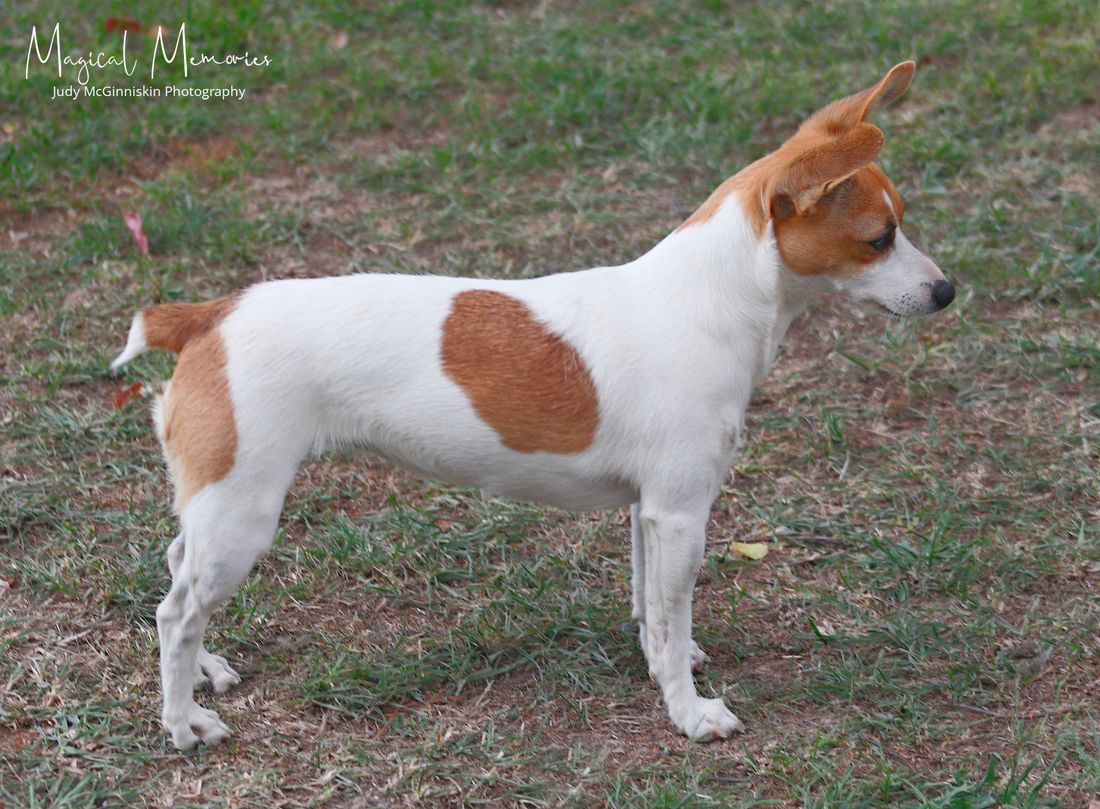
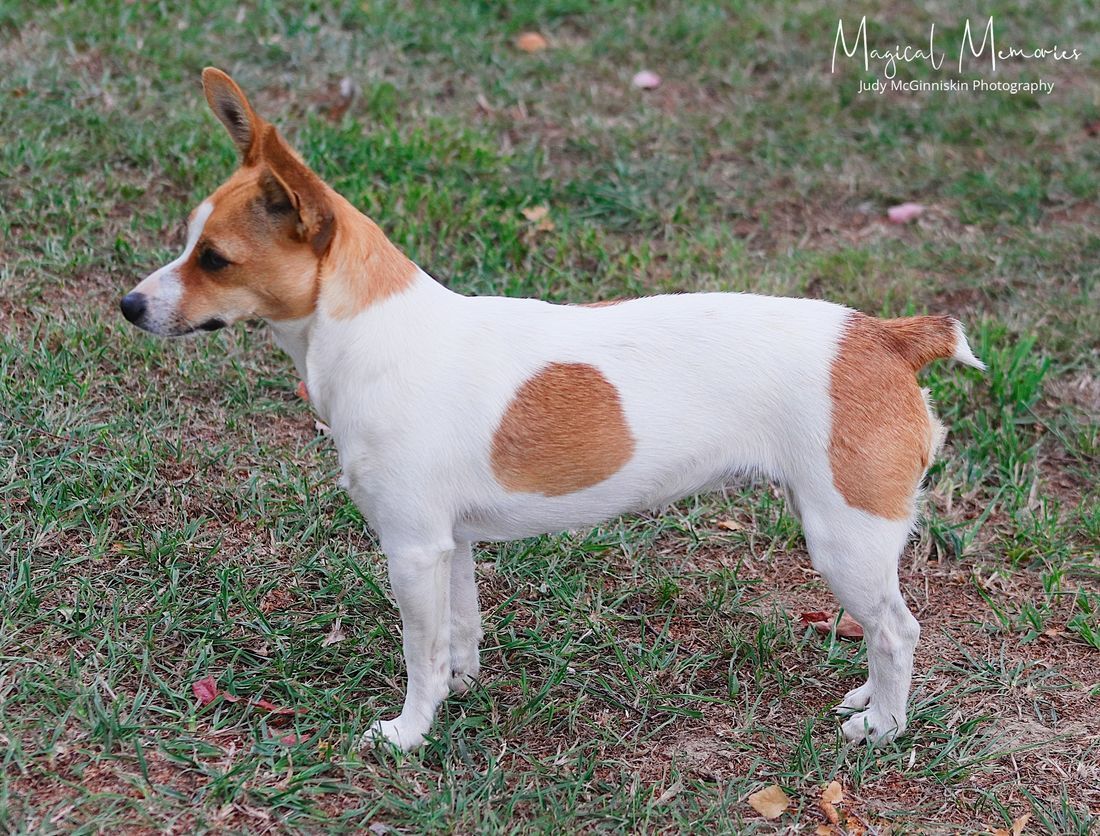
What is a Patella?The patella is a dog's kneecap. It is a small, floating bone located within the quadriceps tendon of the hind leg. Its primary job is to act as a lever, allowing the thigh muscles to straighten the knee and enabling the dog to stand, run, and jump. Patellar Luxation: The most common patella-related issue in dogs is Patellar Luxation, which simply means the kneecap dislocates or slips out of its groove. There are two main types: Medial Patellar Luxation (MPL): The patella slips toward the inside of the leg (more common, especially in toy and small breeds). Lateral Patellar Luxation (LPL): The patella slips toward the outside of the leg (more common in larger breeds). A dog's patella (kneecap) is evaluated using a 0 to 4 grading scale (often called the Putnam system). This scale measures patellar luxation, which occurs when the kneecap slips out of its groove in the femur. Grade 0 indicates a perfectly normal, stable knee, while Grade 4 represents a severe, permanent dislocation. The standard veterinary grading scale is as follows: |
Grade 0 (Normal): The patella tracks normally in the femoral groove and cannot be dislocated. Grade I (Minor): The patella can be manually luxated (pushed out of place) by a vet, but it returns immediately to its normal position when released. No treatment is usually needed. Grade 2 (Occasional): The patella luxates spontaneously during movement or leg manipulation, but it returns to its normal position on its own. Owners typically notice a brief "skipping" or lifting of the hind leg. Grade 3 (Frequent): The patella is luxated most of the time but can be manually pushed back into the groove. It pops back out as soon as the manual pressure is released. This causes considerable limping or crouched walking. Grade 4 (Severe): The patella is permanently out of place and cannot be manually repositioned. Dogs with this grade experience significant mobility issues and may walk with permanently bent knees. The MDBA only approve dogs for breeding with a Patella score of 0 to 2 |
|
|
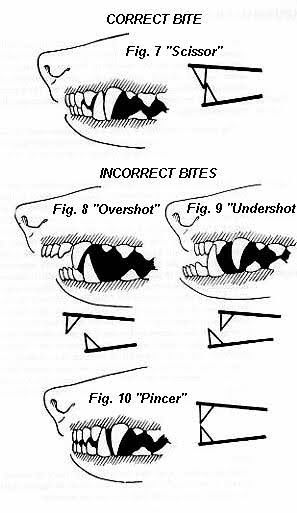
The Bite of a bog what does this mean?A dog’s "bite" refers to how their upper and lower teeth align when their mouth is closed. This alignment is largely genetic and heavily evaluated by veterinarians. The four primary types of canine bites are: Scissor Bite (Normal): The ideal alignment for most breeds. The upper incisors (front teeth) sit just in front of and lightly touch the lower incisors, resembling the blades of closed scissors. Level Bite (Pincer): The upper and lower incisors meet exactly edge-to-edge. While acceptable in some breeds, this causes the tips of the teeth to grind against each other, leading to accelerated wear as the dog ages. Undershot (Underbite): The lower jaw is longer than the upper jaw. The lower incisors protrude outward and sit in front of the upper incisors. This is standard and required for some flat-faced breeds (like Boxers or Bulldogs) but is a disqualifying fault in many others. |
|
|
|
|
|
All our breeders dogs have been genetically tested for PLLWhat is P.L.LPrimary Lens Luxation (PLL) is a well-recognised, painful and blinding inherited eye condition that affects many breeds of dog, particularly terrier and terrier-type breeds. In affected dogs the zonu-lar fibres which support the lens breakdown or disintegrate, causing the lens to fall into the wrong position within the eye. If the lens falls into the anterior chamber of the eye glaucoma and loss of vision can quickly result. DNA testing - Orivet offers testing for the presence or absence of this precise mutation.
|
|
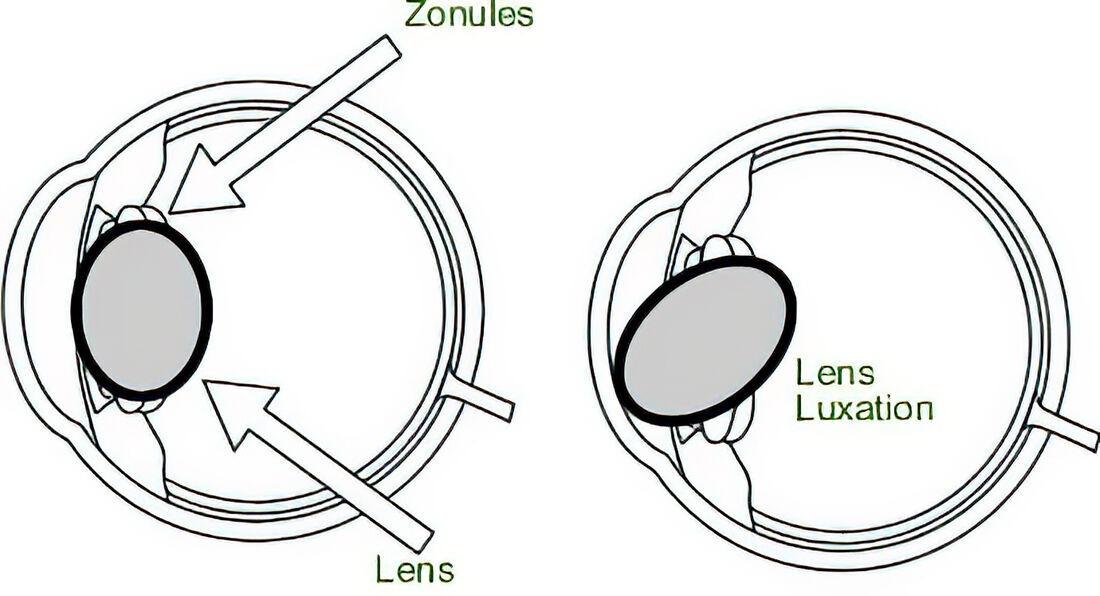
Breeders will be sent results identifying their dog as belonging to one of three categories:
Clearthese dogs have two normal copies of DNA. Our research has demonstrated clear dogs will not develop PLL as a result of the mutation we are testing for, although we cannot exclude the possibility they might develop PLL due to other causes, such as trauma or the effects of other, un-identified mutations. | Carrierthese dogs have one copy of the mutation and one normal copy of DNA. Our research has demonstrated that carriers from some breeds have a very low risk of developing PLL. The majority of carriers do not develop PLL during their lives but a small percentage do. This has been particularly noted for the Miniature Bull Terrier during our study and is also suggestive in the Lan-cashire Heeler. For Tibetan Terriers our study did not show any evidence to suggest that carriers will develop PLL. For the Miniature Bull Terrier we estimate that between 2% and 20% of carriers will develop the condition, although we believe the true percentage is nearer to 2% than 20%. | Genetically Affectedthese dogs have two copies of the mutation and will almost certainly develop PLL during their lifetime. We advise that all genetically affected dogs have their eyes ex-amined by a veterinary ophthalmologist every 6 months, from the age of 18 months, so the clinical signs of PLL are detected as early as possible. |